What To Feed Moulting Chickens for Better Health
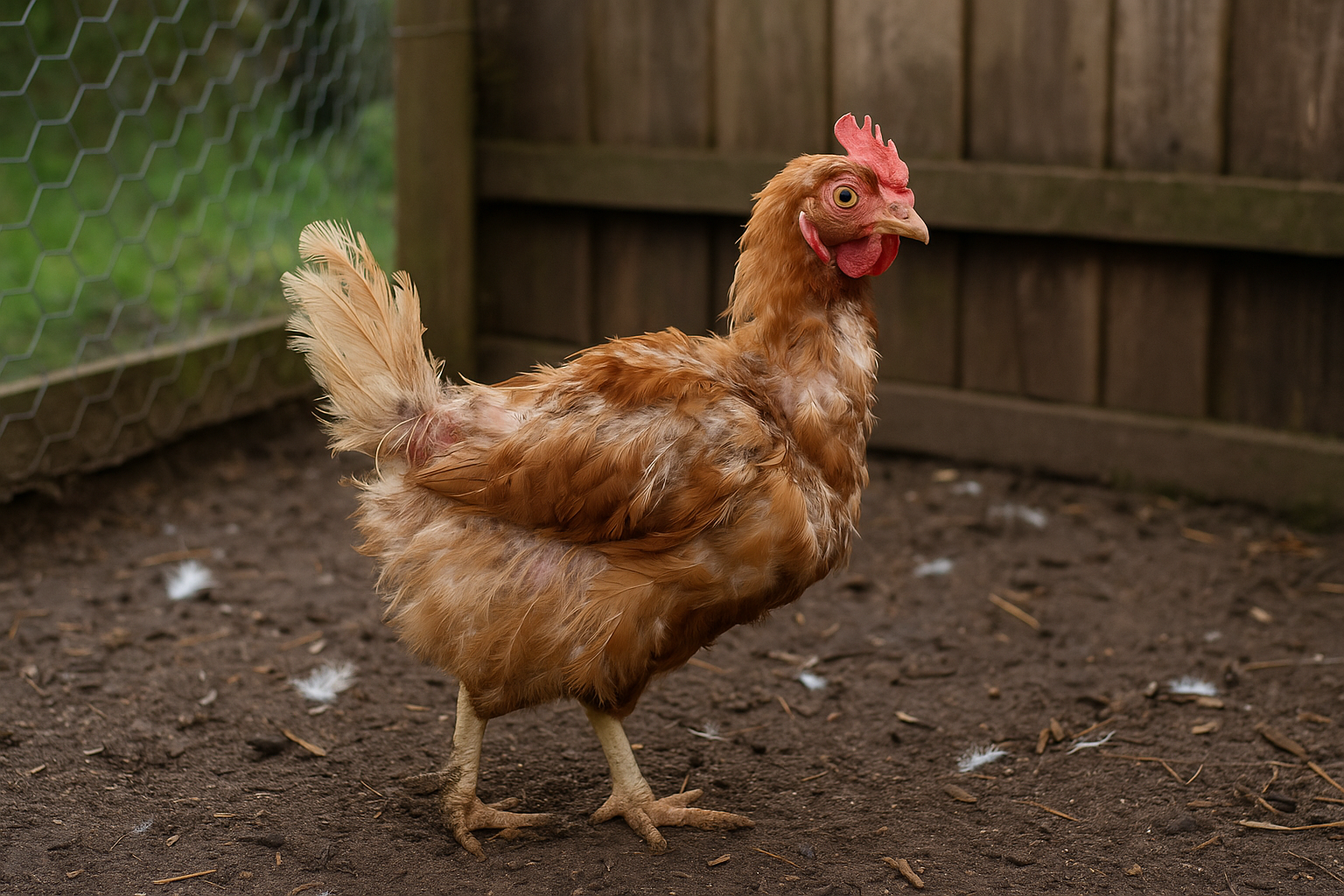
Moulting is the natural process where hens shed old feathers and grow fresh ones. This usually happens in late summer or autumn, but can extend into early winter. Regrowing feather requires a lot of energy, so birds often look untidy, slow down and stop laying eggs for a few weeks. While it is a normal part of their yearly cycle, giving them the right diet makes a big difference to how well they cope. Based on my experience, here’s what to feed moulting chickens to support healthy, comfortable regrowth.
Why moulting hens need extra support
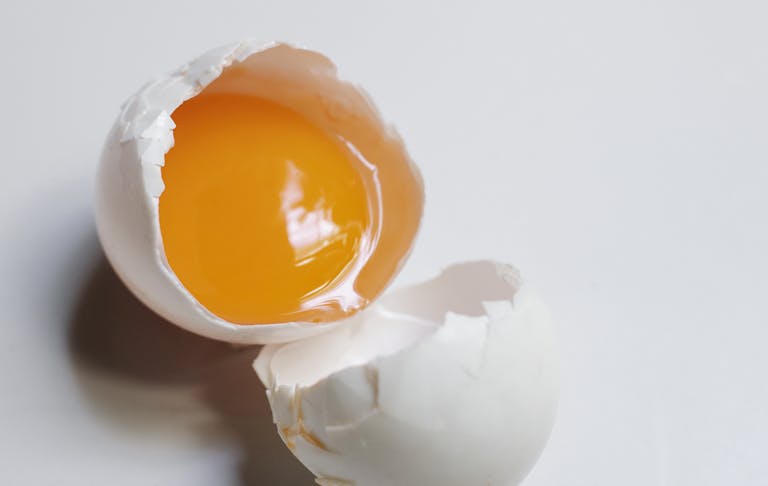
Feathers are almost entirely made of a protein called keratin, so when a hen begins to moult, her body suddenly needs far more protein to build new plumage. Protein usually used for egg production (egg white is about 10% protein) is is diverted to feather regrowth, which is why egg laying tends to temporarily stop.
At the same time, hens need extra energy to grow feathers and keep themselves warm, especially if they are missing large patches of insulation. I always notice my own birds taking things more slowly during this stage because their bodies are working hard behind the scenes.
Pin feathers can be sensitive when they first appear, so some hens get a bit grumpy. A richer diet helps them move through the process more comfortably and keeps their condition steady until the new feathers open out.
For more infromation about moulting read our post: Chicken moulting explained: everything you need to know.
The best base feed for moulting chickens
A complete poultry feed with slightly higher protein is the easiest and safest way to support moulting hens. Many keepers, myself included, switch to medication-free growers’ feed, life Fancy Feeds, with around fifteen to sixteen percent protein. This gives your hens what they need without you having to juggle complicated supplements.
If your usual brand offers a higher protein layers formula, that can work too. Just change feeds slowly over a week or so. I have found that older hens, in particular, appreciate a gradual transition.
When the moult is finished and feathers look glossy and neat, you can move back to your standard layers pellets in the same gradual way.
Safe ways to boost protein
Alongside a good base feed, small protein lifts can help birds that are struggling or moulting heavily. These must come from legal, poultry safe sources.
Useful options include:
- Commercial high protein treats made for chickens
- Straight grains and seeds, such as sunflower hearts, bought as animal feed
- Poultry forage mixes that encourage natural behaviour and add interest
I tend to scatter a handful of seeds across the run rather than putting everything in bowls. It gives moulting hens something to do and keeps the more confident birds occupied while the quieter ones eat in peace.
Fresh greens and natural foraging
Fresh greens offer vitamins and keep birds entertained, which makes a big difference when they are not feeling their best. Suitable options include cabbages, leafy greens and safe herbs. These should go straight from the shop or garden to the run so they remain legal to feed. If they have been in your kitchen, Defra regulations mean you cannot use them for hen food.
We often hang a whole cabbage in the run during a moult. It lasts well, reduces pecking issues and encourages hens to move about rather than huddling.
If your flock free ranges, they will naturally pick up insects and plant material that support feather growth without any extra effort from you.
Energy and warmth for winter moults
A winter moult can look dramatic, especially in December when the weather turns cold. Hens without full feather coverage use more energy to stay warm, so a small feed of mixed corn in the late afternoon helps them hold heat overnight. Allen & Page Super Mixed Corn is ideal for winter.
You do not need to heat the coop, but you do need dry bedding and good wind protection. I find that upping the bedding depth by an extra layer or two helps birds settle more comfortably while they are still patchy.
Calcium and laying during a moult
Do not expect steady eggs during a moult. Most hens stop laying for several weeks and it is better to let them rest. A high calcium diet is not ideal at this time, so stick with your chosen higher protein feed and offer oyster shell in a separate pot instead. This allows hens to take extra calcium only when they want it.
Laying usually restarts naturally once their new feathers are in and daylight begins to increase.
Reducing stress and pecking problems
Moulting can change flock dynamics for a short while. Pin feathers contain a blood supply while growing, which means pecks can hurt and cause bleeding. Keeping things calm is one of the best ways to prevent this.
Practical steps include:
- Adding extra perches or platforms so birds can spread out
- Making sure there is enough feeder and drinker space
- Avoiding major changes, such as adding new birds, until most feathers have come through
I always keep an eye on my lowest ranking hens at this point. They sometimes need a little help finding a quiet corner to eat without competition.
For more infromation about pecking, read our post: Why do chickens peck each other?
Signs your feeding plan is working
With good feed and steady support, new feathers appear in a clear pattern, usually starting around the neck and working down the body. Healthy feathers open out to look smooth and well coloured.
You should also see hens becoming more active again. If feathers look brittle or growth is slow, take another look at the diet or check for stress or parasites. Most of the time, a small adjustment sorts the problem.
When to switch back to normal feeding
Once hens are fully feathered and behaving normally, you can transition back to your regular layers pellets. Mix the feeds over a week or so to keep digestion settled.
Older hens or birds that have had a heavy moult may benefit from staying on a slightly richer feed for a bit longer. You will soon notice when they are ready because activity rises and comb colour improves.
Key takeaways
- Moulting increases a hen’s need for protein and energy
- A complete feed with higher protein is the best base
- Protein boosts must be legal poultry feeds, not human foods
- Fresh greens and forage help reduce stress and support health
- Corn in late afternoon helps winter moulters stay warm
- Offer calcium separately while egg production pauses
- Calm flock management helps hens cope with sensitive pin feathers
Conclusion
A moult can make hens look scruffy and out of sorts, but with the right diet and a bit of extra care, they usually bounce back more quickly than you expect. A richer feed, safe protein boosts and a calm environment help them grow a strong new set of feathers and return to full health. It is one of those stages where a little thoughtful support goes a long way.
Disclosure: This post may contain affiliate links. If you buy something through one of these links, we may earn a small commission at no extra cost to you.

Kevin O’Hara got his first chickens back in 1972. A backyard chicken keeper based in Yorkshire, he created of KeepingChickens.uk back in 2012. With years of hands-on experience, he shares practical, UK-specific advice to help others care for happy, healthy hens. Learn more about Kevin on the author page.