Pros And Cons Of Keeping Bantams
Bantams have long been a popular choice for UK chicken keepers, especially for those with limited space or who want a smaller, more manageable flock. They can be great little birds to keep, full of personality and are often easier to accommodate than larger birds. But as they are not simply miniature hens, it is worth looking properly at the pros and cons before bringing them home.
Why so many keepers like bantams
It is easy to understand the appeal of bantams. They are small, lively, and often bring a lot of character to a flock. If you want chickens that feel like pets as much as egg layers, bantams are often a great fit.
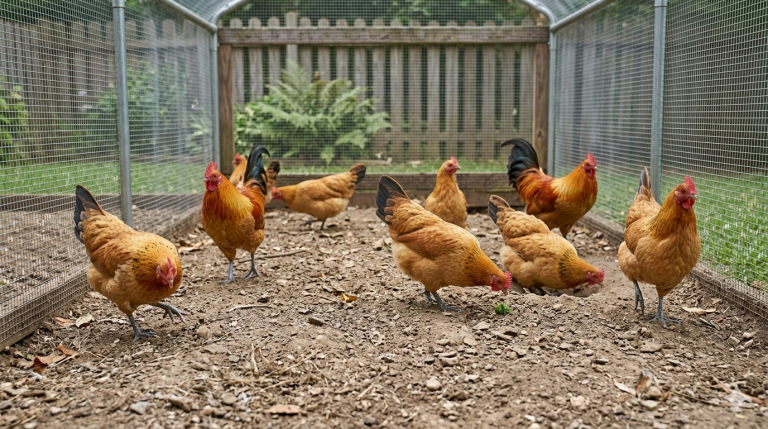
For many people, the attraction starts with their size. A smaller bird feels easier to manage, especially in an ordinary back garden. A coop and run that might feel too tight for standard hens can sometimes work much better for a few bantams, provided the setup still gives them enough room to behave properly. They still need space to scratch, dust bathe, perch, and get away from one another, but they are usually easier to fit into a modest garden.
They also have a lot of variety. Some bantams are neat and practical, while others are very exotic to look at. Some are confident and bold, others are calm and friendly. So, while there is usually a type to suit everyone, you will need to choose your breeds carefully rather than assuming all bantams are much the same.
The main advantages of keeping bantams
They are well suited to smaller spaces
This is one of the biggest reasons people choose bantams. If your garden or your coop and run are not huge, or you want a smaller flock that does not take over the whole space, bantams can make good sense.
They generally need less room than large fowl, and their housing can often be more compact too. That can make chicken keeping feel more realistic for people who would struggle to keep bigger birds comfortably. I think this is where bantams really come into their own. They make it possible to keep chickens well without needing a large plot.
They usually eat less
Because they are smaller birds, bantams normally get through less feed than standard hens. That does not make them considerably cheaper to keep than normal hens, because bedding, housing, health care, and predator-proofing still cost money, but paying less for feed can be a bonus. You can easily get good-quality bantam feed delivered from Amazon.
If you are keeping a small flock for pleasure rather than maximum egg output, this can help keep running costs a bit more manageable.
Many have brilliant personalities
A good bantam flock can be great fun. Many bantams are active, curious birds with a lot of confidence for their size. Indeed, they can often pack quite a lot of attitude into a very small body.
That matters more than some people realise. Chickens are not just there to produce eggs. For me, the enjoyment comes from watching them, getting to know their behaviour, and having birds that are interesting to be around. I think bantams score highly on that front.
They are often easier to handle
Their smaller size can make routine handling feel less daunting, particularly for beginners. Checking their feet, wings, eyes, and vents is often easier with a lighter bird than with a heavy standard hen, especially when it’s not in the mood to cooperate.
That does not mean bantams are always tame, because temperament still varies, but size alone can make them feel more manageable.
Some bantams are excellent broodies
If you ever want a hen to hatch eggs naturally, some bantam breeds are known for being reliable sitters and good mothers. That can be a real advantage if you are interested in breeding or raising chicks in a more traditional way.
Of course, if you only want eggs and do not want a hen disappearing into broodiness for weeks, this can be more of a nuisance than a benefit. As with so much in chicken keeping, it depends on what you want from your birds.
The drawbacks of keeping bantams
The eggs are smaller
This is the most obvious trade-off, and for some people it is the one that matters most. Bantam eggs are perfectly good to eat, but they are smaller than the eggs you get from most standard hens. From a cooking or baking point of view, you’ll generally need to replace one standard hen’s egg with 2 bantam eggs.
If your priority is a reliable supply of decent-sized eggs, then bantams may not be the best fit. Even good bantam layers still produce smaller eggs, so you have to be realistic about what you are getting. If you mainly want charming, characterful birds and a few eggs each week, that may suit you perfectly. If you want a steady supply for a busy family kitchen, larger fowl or hybrids are usually more practical.
Some breeds are less hardy than others
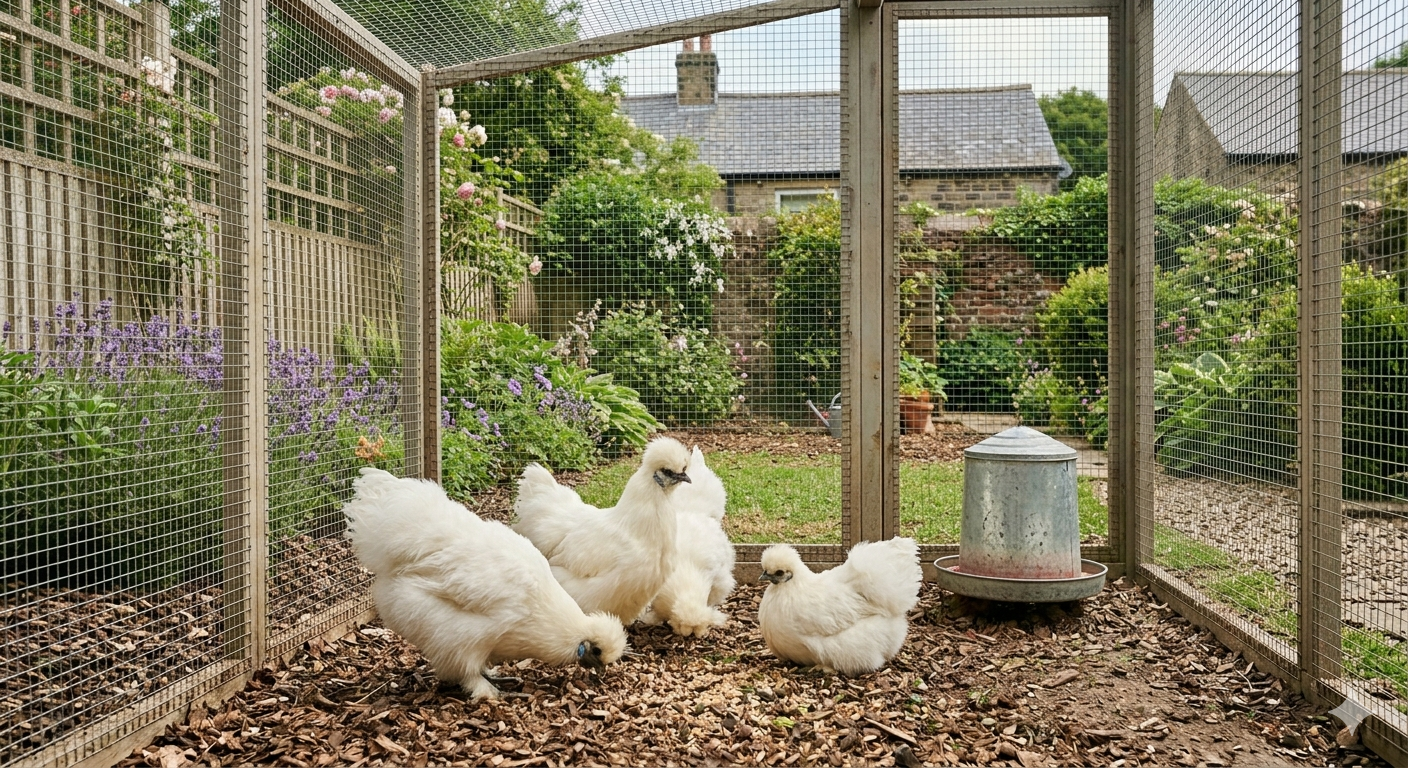
One mistake people make is choosing bantams purely on appearance. Some, like the Sussex and Wyandotte, are tough little birds that cope perfectly well in a British garden. Others, like Silkies and the Belgian Bearded d’Uccle are more delicate and can be harder work in wet, muddy, or cold conditions.
Heavy feathering, feathered feet, or a more refined build can all make a bird less practical in poor weather. That does not mean you should avoid more ornamental bantams, but you need to be honest about the conditions you can offer. A bird that looks stunning in a photo may be far less straightforward after weeks of rain and mud.
They can be more vulnerable to predators
All chickens need proper protection, but small birds can be particularly vulnerable. Bantams need a secure coop, a well-built run, strong mesh, and reliable fastenings. Anything flimsy is asking for trouble.
Some bantams are also better flyers than standard hens. This can easily catch new keepers out. A bird that easily clears a fence may end up where it should not be, whether that is a flowerbed, a neighbour’s garden, or somewhere less safe.
Mixing them with large fowl is not always simple
People often assume all chickens can live together happily if they are introduced carefully. Sometimes they can. Sometimes they cannot.
When bantams are mixed with bigger hens, they can sometimes end up being pushed off feeders, perches, or nest boxes. Even without serious aggression, the size difference alone can make life harder for them. In a roomy setup with gentle, larger birds, a mixed flock may work well. In a tighter setup with assertive hens, bantams can struggle. I would always be cautious about mixing sizes unless there is plenty of space and the flock temperament is right.
If you are considering mixing bantams and other types of hens, read: How to Introduce New Chickens to Your Flock
Small does not mean low maintenance
This is worth saying clearly. Bantams may be smaller, but they do not need less care. They still need a clean coop, fresh water, balanced feed, regular checks, and good protection from predators and bad weather.
In some cases they need more thought, not less, especially if you choose a more delicate breed. So while they are often manageable, they are not a shortcut or an easier way to keep chickens. For help with day-to-day care, check out our Daily Chicken Care Routine
Are bantams a good choice for beginners?
They can be, yes. In fact, a sensible bantam breed can be a very good option for a beginner with limited space. Their smaller size can make them feel less intimidating, and many are enjoyable birds to keep.
Where people go wrong is assuming that every bantam will be easy. Some are much more practical than others. If you are new to chickens, I would lean towards hardy, straightforward bantam breeds rather than anything chosen mainly for looks.
It is also worth being clear about your priorities. If you want pets with personality and a few smaller eggs, bantams may be ideal. If you want maximum egg production and the toughest possible birds for an exposed setup, they may not be the best answer.
Who are bantams best for?
Bantams are best for keepers who want a smaller flock, enjoy birds with character, and do not mind the fact that the eggs will be smaller. They are often a great fit for back gardens, families, and anyone who wants chickens that are engaging as well as useful.
They are less suited to people who are mainly interested in egg numbers, or those who want a very practical, no-fuss flock in a challenging outdoor setup. In those cases, larger hens often make more sense.
For me, the key is expectation. If you choose bantams because you genuinely want bantams, they can be a brilliant addition to the garden. If you choose them assuming they are just a smaller and easier version of any other hen, you may find they come with more compromises than expected.
Bantams pros and cons: key takeaways
- Bantams suit smaller gardens and usually eat less than standard hens
- They are often chosen for character, appearance, and manageability
- Their eggs are smaller, so they are less practical if egg production is your main aim
- Some bantam breeds are hardy, while others need more careful management in wet or cold weather
- They can be a good choice for beginners, but breed choice matters
Final thoughts
In my opinion, bantams are some of the most enjoyable types of chickens to keep. They are full of character, and often well-suited to smaller UK gardens. For many people, they offer exactly the right balance of manageability and charm. However, they are not the best choice for every keeper. The eggs are smaller, some breeds need more thought in poor weather, and mixed flocks can be trickier than people expect. Before bringing any birds home, I would create a bantams pros and cons list to make sure you make the right decision.
If you are looking for a specific type of bantam, read our post: Best Bantam Breeds to Keep in the UK.
Disclosure: This post may contain affiliate links. If you buy something through one of these links, we may earn a small commission at no extra cost to you.

Kevin O’Hara got his first chickens back in 1972. A backyard chicken keeper based in Yorkshire, he created of KeepingChickens.uk back in 2012. With years of hands-on experience, he shares practical, UK-specific advice to help others care for happy, healthy hens. Learn more about Kevin on the author page.