Best Bantam Breeds to Keep in the UK
The best bantam breeds to keep in the UK are the ones that suit real back garden conditions, not just the ones that look striking in photos. For most keepers, a good bantam is hardy, has a manageable temperament, and for which everyday care is straightforward. With that in mind, these are the bantam breeds I would put near the top of the list for UK keepers.
What makes a bantam a good choice in the UK?
For me, the best bantams are not always the smallest or the most eye-catching. They are the breeds that cope well with ordinary British weather, settle well into a modest garden setup, and do not create unnecessary problems for a new keeper. That usually means looking at temperament, hardiness, broodiness, egg size, and whether the bird has any features, such as feathered feet or a very light build, that make extra care more likely.
This list focuses on bantams that make sense for everyday keeping. In other words, birds you can realistically enjoy in a UK back garden, rather than breeds chosen purely for appearance or exhibition value.
For more information, read Bantam Chickens UK: Pros And Cons Of Keeping Bantams
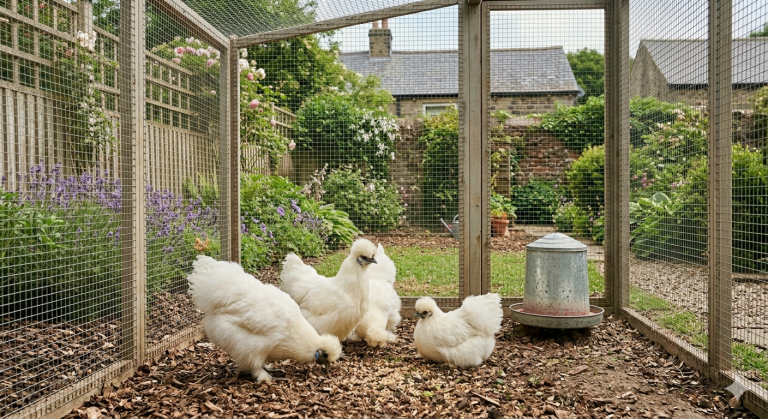
Pekin bantam
If you want a bantam with personality, Pekins are hard to ignore. They are gentle birds, settle well, require little space, and are widely regarded as one of the best bantam choices for children and small urban gardens. They are also good mothers, which will appeal to keepers who like the idea of natural hatching. Pekins are especially popular in the UK and come in a wide range of colours.
The downside is that Pekins do need a bit of thought in wet conditions. Their feathered feet and toes are part of their appeal, but they can be a nuisance in mud, and heavily feathered-footed breeds can become bedraggled in poor ground conditions.
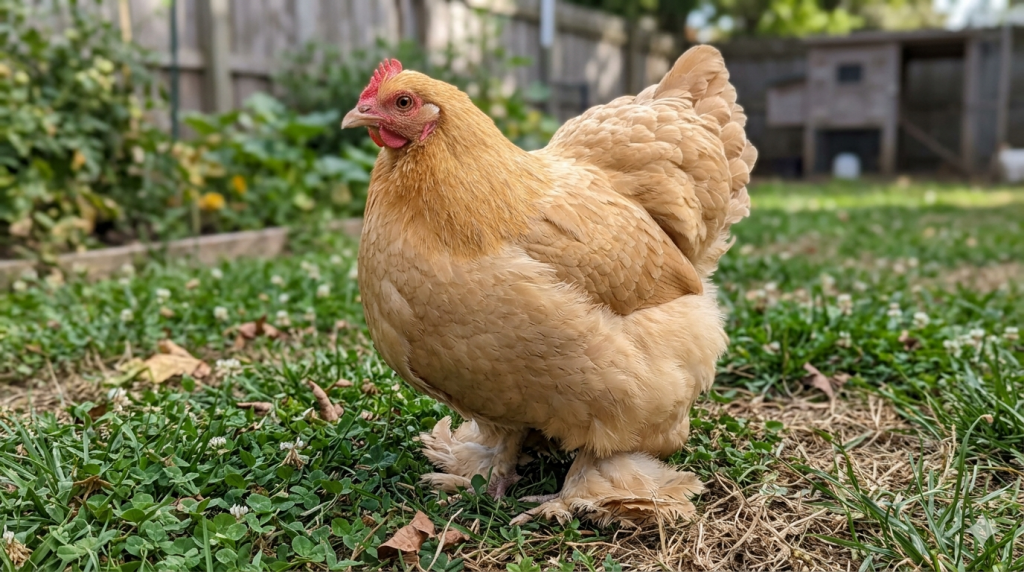
They are also quite broody, which is a benefit for some keepers and a frustration for others. If you want a friendly bantam for a small garden and you do not mind keeping the run as dry as possible, Pekins are still one of the best places to start.
Wyandotte bantam
Wyandotte bantams are one of the strongest all-round options for UK keepers. They are docile, lay well, make good mothers, and tend to be sturdy birds. They also have enough substance to feel practical rather than fragile, which is one reason they appeal to people who want bantams without giving up too much in terms of usefulness.
They are not quite the same sort of bird as a tiny true bantam. A Wyandotte bantam still has a rounded, substantial build, so if what you want is a very small, dainty bantam, they may not be the obvious choice.
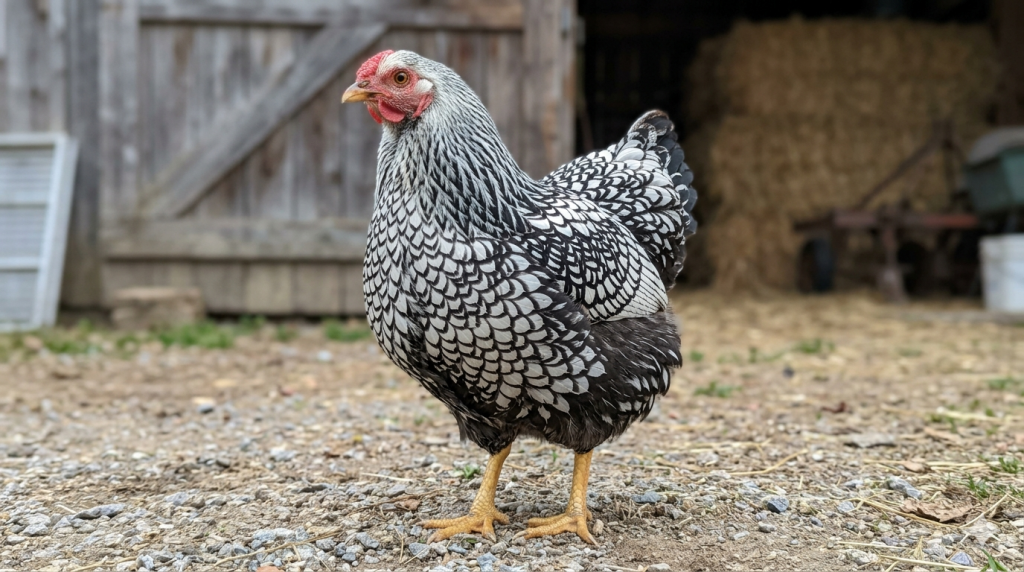
They can also go broody, and some keepers prefer a breed that stays in lay more consistently. Even so, if you want a bantam that balances temperament, hardiness, and practicality, Wyandotte bantams are among the best options on the list.
Sussex bantam
Sussex bantams deserve more attention than they sometimes get. They have a placid nature, are easily tamed, cope well with bad weather, and are often described as excellent layers for their size, with some continuing through winter. They also make very good broodies and mothers. For a UK keeper who wants a calm, useful bantam that feels straightforward to manage, that is a very appealing mix.
The main drawback is that they are not as small or as instantly distinctive as some bantam breeds, so they may not be the bird people picture first when they imagine bantams.
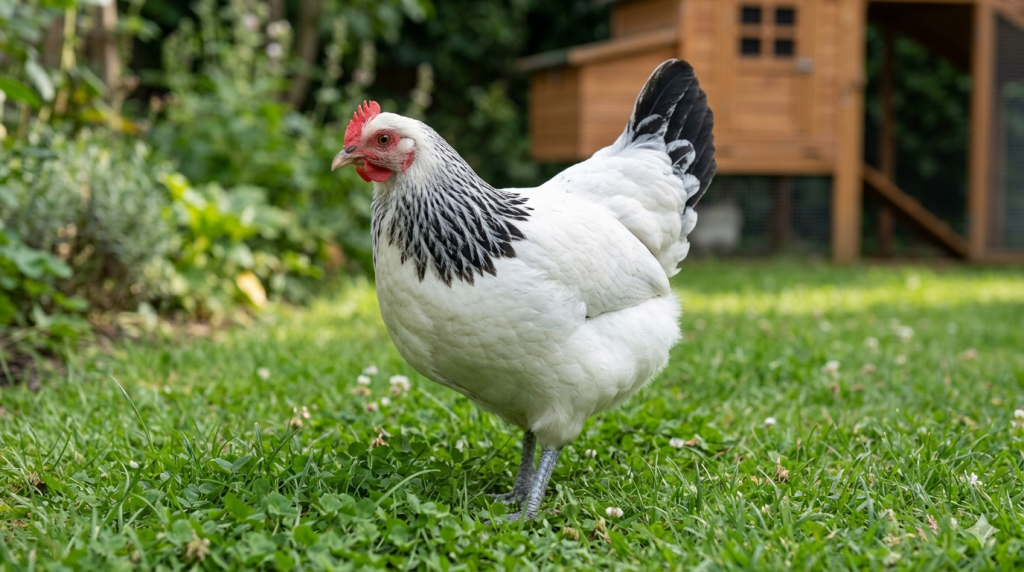
They can also go broody, which again depends on whether that suits you. But if your priority is a dependable, family-friendly bantam that can handle a typical British garden better than some more delicate breeds, Sussex bantams are a very sensible choice.
Araucana bantam
Araucana bantams bring something a bit different to the flock. They are known for blue to green eggs, and the breed is generally described as placid, vigorous, and hardy. Chicks are strong growers, and hens can make very good mothers. If you want bantams with a bit more individuality but still need a bird that can cope well outdoors, Araucanas are worth serious consideration.
Their main limitation is that they are not always the cuddliest or most obviously pet-like bantam, and they are not really a breed to choose just because you want something tiny and decorative.
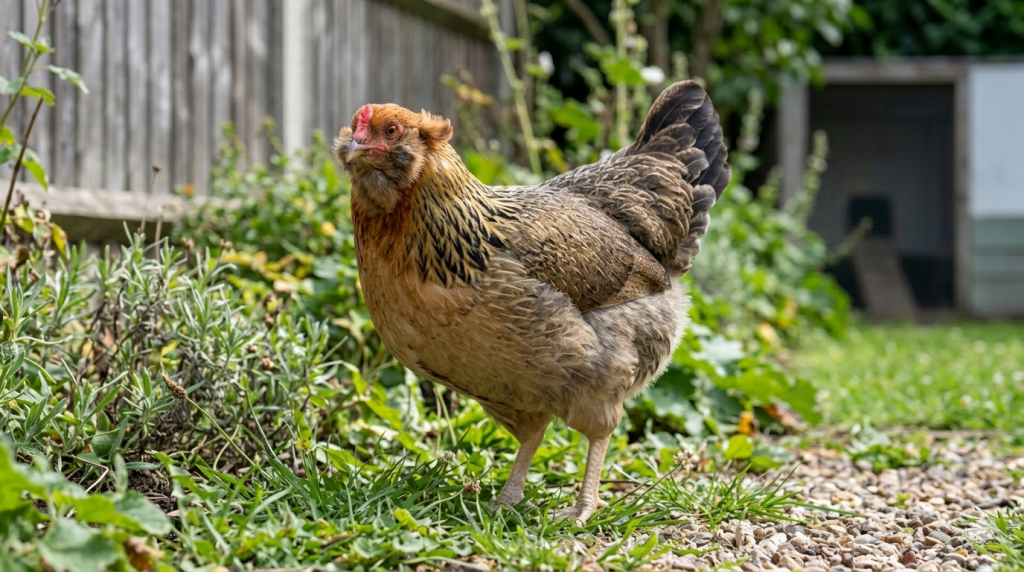
They also prefer access to fresh ground, so they suit keepers who can offer a movable setup or some rotation rather than a worn-out static patch. Still, for hardiness and egg interest alone, Araucana bantams earn their place on a UK list like this.
Dutch bantam
Dutch bantams have real charm. They are small, lively birds, they brood and sit well, and they are often recommended for smaller gardens. For people who like true bantams and want something active and characterful, they can be very appealing.
That said, I would place them slightly lower than Pekins, Sussex bantams, or Wyandotte bantams for the average UK beginner.
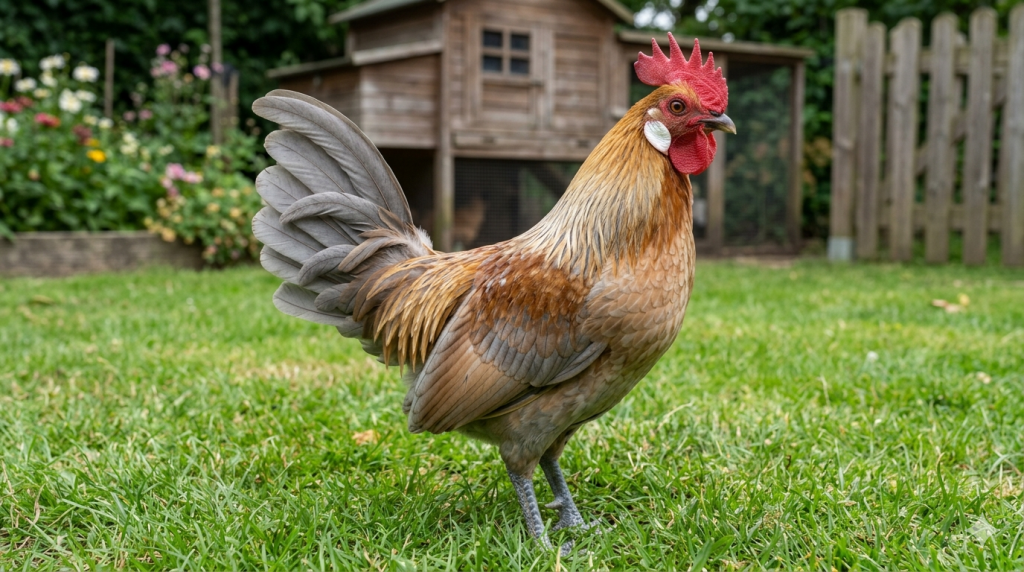
They need protection from winter weather, they are good fliers, and their tiny size means they need a bit more care in practical terms. Their eggs are also mainly a summer crop. None of that makes them a bad breed, but it does make them a slightly less forgiving one. If you have secure fencing, decent shelter, and a soft spot for true bantams, Dutch bantams can still be a lovely choice.
Plymouth Rock bantam
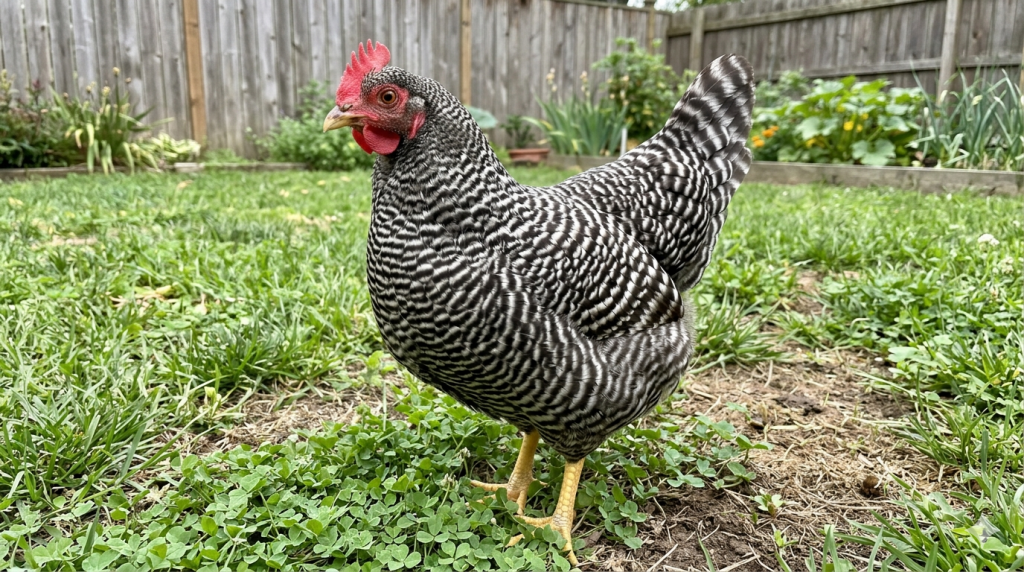
If you want a bantam that feels practical rather than fussy, Plymouth Rock bantams are well worth considering. Omlet describes them as strong, early-laying birds that can produce a good number of eggs without much broodiness. It also notes that they are friendly, easy to tame, and not much of a flier, which makes them a sensible fit for an ordinary back garden setup
.That combination gives them a lot going for them. They are the kind of bantam that can appeal to beginners, families, and anyone who wants a small bird without taking on a breed that feels fragile or high-maintenance.
Leghorn bantam
Leghorn bantams are a good choice if egg laying matters more to you than having the calmest, most pet-like birds. Omlet says Leghorns are very productive, adapt well to different conditions, lay white eggs throughout the year, and rarely go broody. There are also current UK Leghorn listings through Omlet’s breeder marketplace, which suggests they remain a realistic breed to find.
What makes them appealing is efficiency. If you want bantams that still feel useful rather than purely decorative, Leghorns have a lot to offer. They mature quickly, keep laying well, and suit keepers who want a smaller bird that still earns its place in the flock.
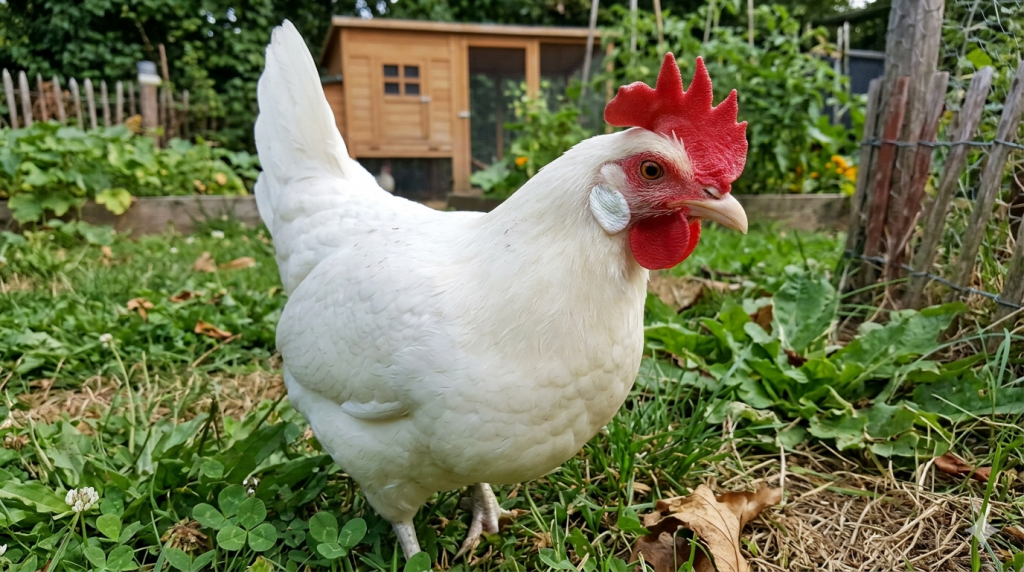
The downside is that they are less relaxed than some of the heavier bantam types. Omlet describes them as sprightly, alert, rather aloof, and sometimes noisy, and says they may roost in trees if given the chance. Their large combs can also need more care in frosty weather. So I would include Leghorn bantams in a practical UK list, but more for keepers who want efficient layers and secure fencing than for anyone looking for the calmest family-friendly bantam.
Which bantam breed is best for most keepers?
For most UK keepers, I would put Pekin, Wyandotte bantam, Sussex bantam, and Plymouth Rock bantam at the top of the list. These breeds tend to offer the best balance of temperament, manageability, and practicality for an ordinary back garden flock. Pekins are especially appealing if you want friendly birds with plenty of character, while Wyandotte bantams and Sussex bantams are stronger all-rounders if you want bantams that feel a bit more sturdy and useful. Plymouth Rock bantams also deserve a place here, especially for keepers who want a calm, productive bird without too many complications.
Araucana bantams are a very good choice if hardiness and blue eggs appeal to you, while Leghorn bantams suit keepers who want stronger egg production and do not mind a more active, less cuddly bird. Dutch bantams can still be a nice option, but they sit a little lower for the average beginner because their small size, flightiness, and need for good shelter can make them less straightforward in a typical UK setup.
If I were narrowing it down for the average back garden keeper, I would start with Wyandotte bantams or Sussex bantams for practicality, and Pekins if personality and family-friendly appeal matter most. The best bantam breed is not just the one that looks nicest, but the one that suits your garden, your weather, and what you actually want from your flock.
Best bantam breeds UK: Key takeaways
- The best bantam breeds for most UK keepers are usually the ones that combine good temperament with hardiness and practicality
- Pekins, Wyandotte bantams, Sussex bantams, and Plymouth Rock bantams are among the strongest all-round choices for an ordinary back garden flock
- Araucana bantams are a good option if you want hardy birds that lay blue eggs
- Leghorn bantams can be excellent layers, but they are usually more active and less easy-going than some other bantam breeds
- Dutch bantams have plenty of character, but they are less forgiving for beginners because of their size, flightiness, and need for shelter
- The right bantam breed depends on whether you care most about temperament, eggs, hardiness, or ease of management
Final thoughts
The best bantam breeds to keep in the UK are usually the ones that work well in real back garden conditions, not just the ones that stand out most on appearance. For most keepers, that means choosing birds that are manageable, reasonably hardy, and practical enough to fit into everyday life without too much fuss.
If you want a safe place to start, Pekins, Wyandotte bantams, Sussex bantams, and Plymouth Rock bantams are all strong choices. They offer the kind of balance that suits many UK keepers, with good temperament, decent hardiness, and a setup that is usually straightforward to manage. Araucana bantams are also well worth considering if blue eggs and a slightly more unusual bird appeal to you.
Leghorn bantams and Dutch bantams still have plenty to offer, but they are better suited to keepers who know what they want from the outset. In the end, the best bantam is not the one with the most striking look, but the one that suits your garden, your flock setup, and the kind of chicken keeping you actually want to do.
Disclosure: This post may contain affiliate links. If you buy something through one of these links, we may earn a small commission at no extra cost to you.

Kevin O’Hara got his first chickens back in 1972. A backyard chicken keeper based in Yorkshire, he created of KeepingChickens.uk back in 2012. With years of hands-on experience, he shares practical, UK-specific advice to help others care for happy, healthy hens. Learn more about Kevin on the author page.