Safe Treats For Chickens: What You Can Offer Without Risk
Providing safe treats for chickens helps add dietry variety, while encouraging natural foraging and making life in the run more interesting for you flock. However, treats should never replace a nutritionally complete poultry feed. UK keepers must also follow strict rules covering kitchen waste, animal products and insect-based treats. The safest approach is to use small amounts of legally permitted food that supports enrichment without unbalancing the flock’s diet.
What counts as a chicken treat?
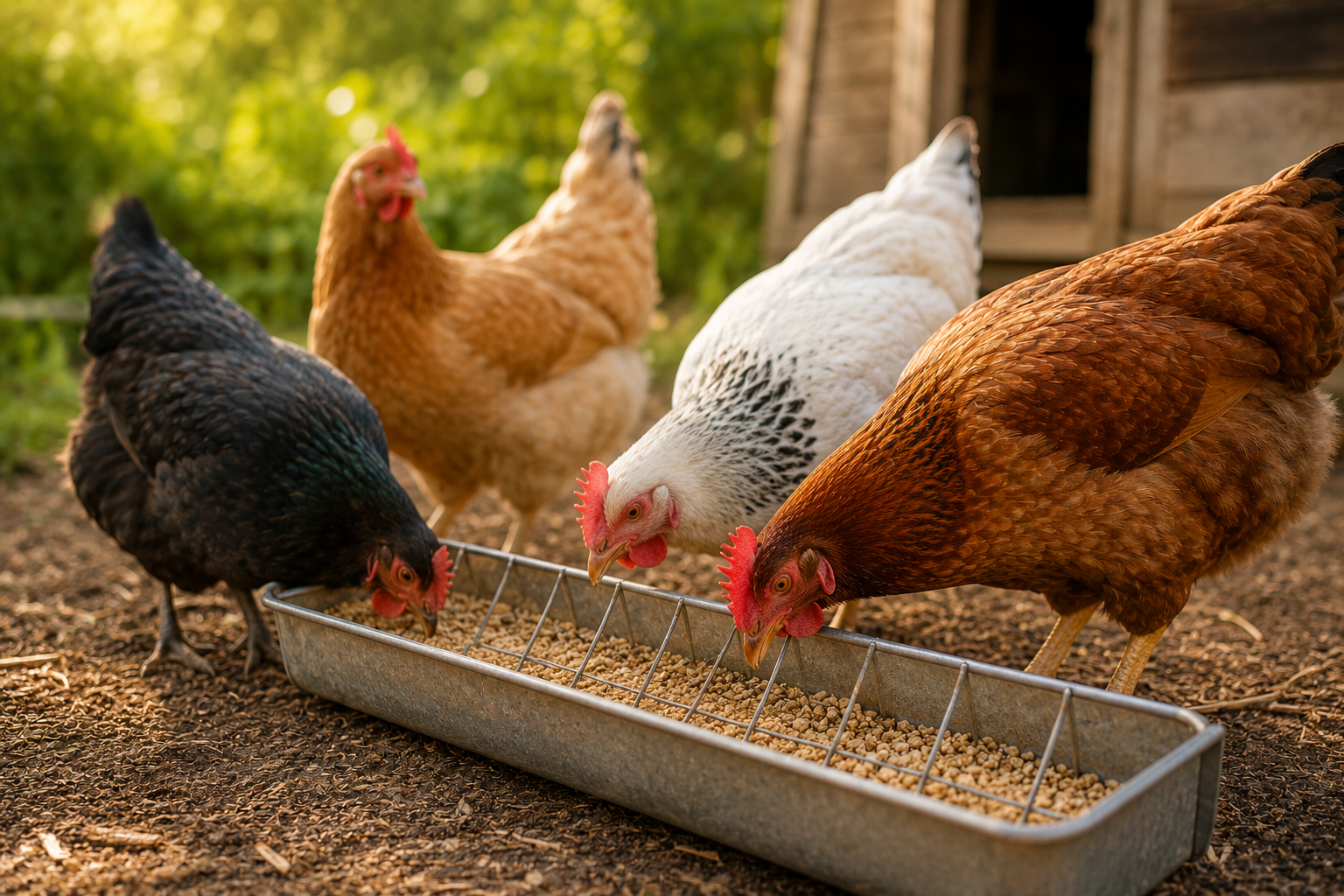
A treat is any food given in addition to your chickens’ normal balanced ration. For most laying hens, that main ration should be a good-quality layers feed containing the protein, energy, vitamins and minerals needed for health and egg production.
Fruit, vegetables, mixed corn and commercial treat mixes may all be appealing, but they do not provide the same nutritional balance. If hens fill up on extras, they may eat less of their complete feed. Over time, this can contribute to weight gain, poor eggshell quality, nutritional deficiencies or a drop in laying.
I find it helpful to think of the layers feed as the meal and everything else as optional enrichment. A treat should give hens something enjoyable to do, rather than becoming a substantial part of their daily food.
Can you feed kitchen scraps to chickens in the UK?
It is illegal to feed household kitchen waste or catering waste to chickens in the UK. The rule applies to backyard and pet hens as well as commercial poultry.
It includes vegetable peelings, leftover fruit, cooked food, bread, rice and other food that has become kitchen waste. It does not matter whether the food contains meat or whether the household is vegetarian or vegan. Catering waste from restaurants and commercial kitchens is also prohibited.
The restrictions exist to reduce the risk of serious animal diseases being introduced or spread through contaminated food. A seemingly harmless vegetable peeling could have come into contact with meat, dairy products, eggs, utensils or contaminated surfaces.
This does not mean chickens can never have fresh fruit or vegetables. Government guidance allows fruit and vegetable material that originated outside the kitchen, has never entered a kitchen and has not contacted animal material. Produce grown in the garden or on an allotment can therefore be offered, provided it is safe, fresh and free from chemical treatments.
You can also buy a cabbage, cauliflower or other vegetable specifically for the flock and take it directly to the run without putting it through the kitchen. I would keep anything bought for the hens in a separate container in the shed or feed store. That makes it much easier to avoid accidentally turning an acceptable treat into kitchen waste.
Are mealworms legal for chickens?
This is an area where outdated and conflicting advice is common.
In Great Britain, which covers England, Scotland and Wales, dried terrestrial insects and processed animal protein derived from insects cannot currently be used in farm animal feed or hen treats. This includes dried mealworms sold for wild birds, even when the packaging suggests they are suitable for many species.
The government has consulted on allowing processed insect protein in pig and poultry feed. However, a consultation does not change the law, and the current Great Britain guidance still restricts its use in poultry feed.
Live insects are not the same as dried insects or processed insect protein, but their production, sourcing and permitted rearing materials are still controlled. I would not buy live insects from a reptile supplier and assume they are automatically suitable for hens. Only consider a product when the supplier clearly states that it is lawfully produced and marketed as poultry feed.
Northern Ireland operates under a separate EU-linked feed framework, where certain processed insect proteins may be permitted under controlled conditions. Keepers there should follow current DAERA guidance and use only properly labelled poultry products rather than relying on advice written for Great Britain.
What are safe treats for chickens?
The following options can be offered in small amounts, provided that fresh produce has never entered a domestic or commercial kitchen:
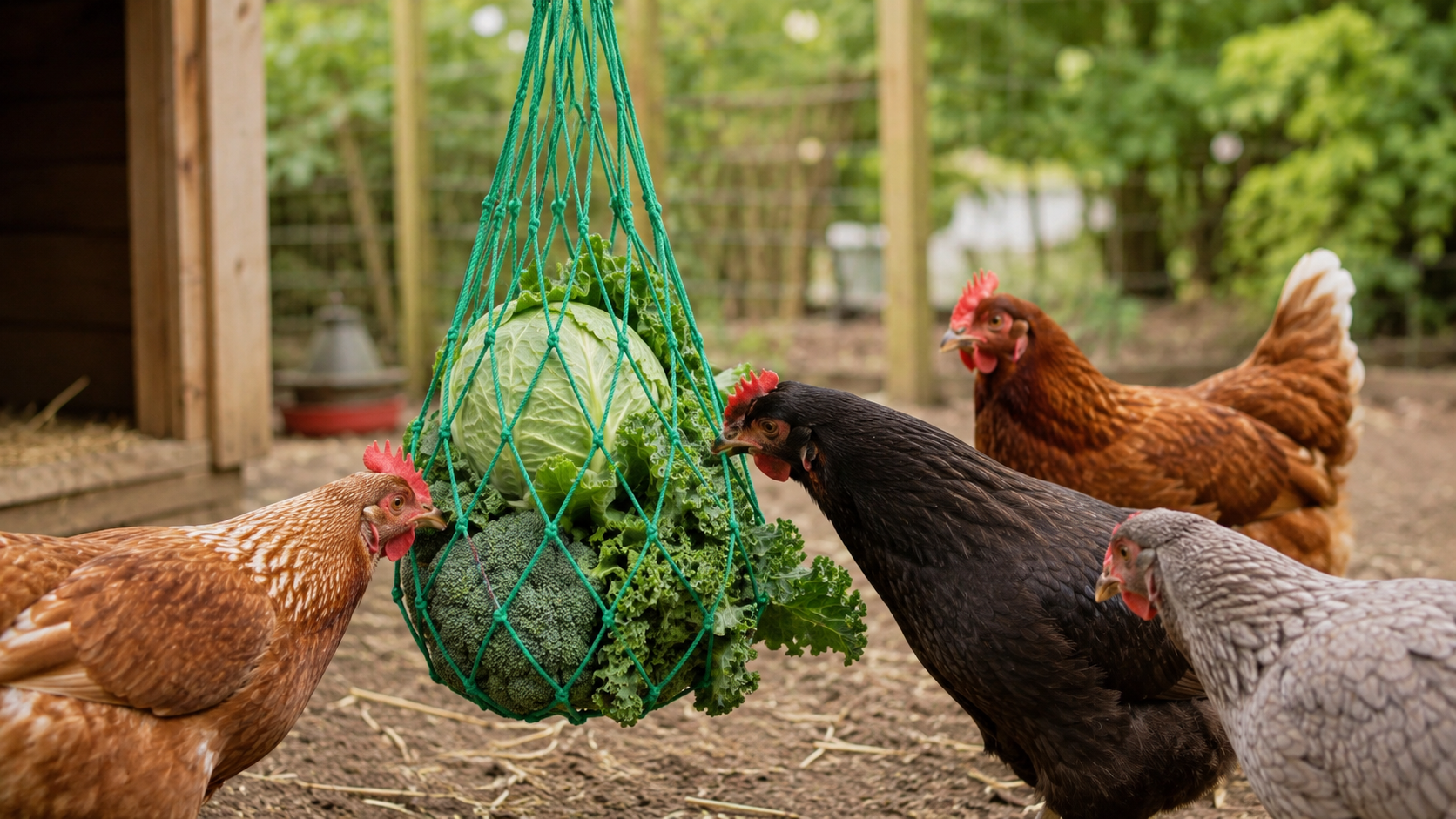
- Leafy vegetables: Cabbage, kale and other suitable leafy greens can provide a longer-lasting pecking activity when hung securely in the run. You can even buy string bags desgined to hang them in.
- Garden vegetables: Courgette, cucumber, cauliflower, broccoli, pumpkin and squash can add variety. Only use produce that is fresh and free from pesticides, slug pellets or mould.
- Fruit: Small amounts of apple, pear, berries or melon can be offered occasionally. Fruit is generally higher in natural sugar, so it should not become a daily staple.
- Garden greens: Properly identified, untreated plants such as dandelion leaves can encourage natural browsing. Never offer a plant unless you are certain it is safe. Here’s a list of plants to avoid.
- Mixed corn: A small scatter of good quality mixed corn can encourage scratching and foraging. It is energy-dense and nutritionally incomplete, so use it sparingly rather than adding it freely to the feeder.
- Commercial poultry treats: Choose products specifically labelled for chickens and sold by a reputable poultry-feed supplier. Check the ingredients carefully, particularly for dried insects or animal-derived proteins.
The British Hen Welfare Trust recommends keeping fresh vegetable treats modest and suggests roughly a dessertspoonful per hen each day. The exact amount is less important than ensuring that treats remain a small extra and do not reduce consumption of the main ration.
Need help getting the everyday diet right? Read our complete guide to how to feed chickens before introducing additional treats.
How often should chickens have treats?
Healthy adult hens do not need treats every day. I prefer to give two to three small enrichment sessions during the week. I find this a better approach than offering a bowl of extras every afternoon.
ALways give your hens the complete feed first, preferably in the morning when they are hungry. Treats can then be offered later in the day after the flock has eaten a reasonable amount of its normal ration.
The amount should be small enough for the birds to finish promptly. Remove fresh produce before it becomes dirty, frozen, mouldy or rotten. Leftover food can attract rats, mice, wild birds and other pests, while spoiled feed may expose hens to harmful moulds or bacteria.
Watch how treats are shared, too. A dominant hen may guard a single food item and prevent quieter birds from approaching. Providing two or more feeding points helps reduce competition.
Using treats as enrichment
The best chicken treats do more than provide extra calories. They encourage hens to walk, scratch, peck and investigate their surroundings.
Foraging and scratching are strongly motivated natural behaviours. Preventing hens from carrying them out can cause frustration and may contribute to feather pecking.
A whole cabbage hung at a safe height usually lasts much longer than loose pieces scattered on the ground. It also keeps the vegetable cleaner and encourages movement. I prefer this approach because the hens get far more entertainment from the same small amount of food.
You can also scatter a little mixed corn through clean, dry litter, place permitted treats inside a purpose-made feeder or divide them between different parts of the run. This gives the flock a reason to explore rather than gathering around one bowl.
Treat-based enrichment should be changed regularly. Chickens quickly lose interest when the same item appears in the same place each day. Alternate food activities with non-food enrichment such as perches, dust-bathing areas, logs, branches, piles of safe leaves and dry scratching material.
Treats during winter and moulting
Treats are often promoted as a way to help hens through cold weather or moulting, but they cannot correct an inadequate main diet.
During a moult, feather growth increases the bird’s need for good-quality protein and balanced nutrients. The answer is an appropriate complete feed, not repeated handfuls of high-energy corn or unbalanced protein treats.
Mixed corn can be offered sparingly during colder weather, but chickens do not need to be filled with corn to keep warm. A dry, draught-protected coop, clean bedding, fresh water and sufficient complete feed are far more important.
Similarly, watery vegetables can provide interest during warm weather, but they do not replace clean drinking water. Several water stations in shaded positions will do more to protect the flock during hot conditions.
Foods and treats to avoid
Never give chickens food taken from the kitchen, leftovers, plate scrapings or catering waste. Do not offer meat, fish, dairy products, cooked eggs or foods containing animal products. Government guidance also prohibits decomposing, mouldy or toxic food from being used as farm animal feed.
In Great Britain, avoid dried mealworms, dried insect mixes and treats containing processed insect protein. Products intended for wild birds, reptiles or non-food-producing pets are not automatically legal for poultry.
Do not offer mouldy grain, rotten fruit or vegetables, salty snacks, confectionery, highly processed foods or anything containing alcohol or caffeine. Avocado plants contain substances associated with serious poisoning in birds and other animals, so I would exclude avocado entirely rather than trying to separate supposedly safer portions.
Garden plants must also be treated cautiously. Foxgloves, yew, rhododendrons, laburnum and several other common plants can be poisonous. Chickens do not always instinctively avoid harmful plants, particularly when confined or short of vegetation.
When there is any doubt about a food, plant or commercial product, leave it out. There are enough clearly safe options without testing something uncertain on the flock.
Signs that chickens are receiving too many treats
One of the first warning signs is that hens begin waiting for extras while ignoring their layers feed. You may also notice loose droppings after large amounts of fruit or watery vegetables.
Weight gain can be difficult to spot beneath feathers, but an overweight bird may become less active and have excessive fat around the abdomen. Too many treats can also upset the nutritional balance needed for consistent laying and strong shells.
Reduce or stop treats when:
- The flock regularly leaves its complete feed.
- Droppings become persistently loose after extras are given.
- Hens are gaining too much weight.
- Egg production or shell quality deteriorates.
- Treats cause bullying or frantic competition.
- Uneaten food remains in the run and attracts pests.
Persistent changes in appetite, droppings, weight or egg production should not automatically be blamed on treats. They can also indicate illness, parasites or another husbandry problem, so seek veterinary advice when a hen appears unwell.
Key takeaways
- Complete poultry feed should form the basis of the diet.
- Kitchen scraps and catering waste must not be fed to chickens in the UK.
- Fresh produce may be offered when it originated outside the kitchen and has never entered one.
- Dried mealworms and processed insect protein remain prohibited as hen treats in Great Britain.
- Keep treats small, occasional and useful for enrichment.
- Remove leftovers before they spoil or attract pests.
- Check that commercial treats are clearly labelled for poultry and comply with the rules where you live.
Choosing treats safely
Safe treats for chickens should support good husbandry rather than compensate for a poor diet. Fresh vegetables, a little fruit, small quantities of mixed corn and compliant poultry treats can all add interest when used carefully.
For me, the best treat is one that keeps the flock busy without filling them up. A vegetable hung in the run, or a small amount of grain scattered through clean litter, offers far more value than a large bowl of food that disappears in a few minutes.
Disclosure: As an Amazon Associate I earn from qualifying purchases. This post may also contain affiliate links from other retailers. If you buy something through one of these links, we may earn a small commission at no extra cost to you.

Kevin O’Hara got his first chickens back in 1972. A backyard chicken keeper based in Yorkshire, he created of KeepingChickens.uk back in 2012. With years of hands-on experience, he shares practical, UK-specific advice to help others care for happy, healthy hens. Learn more about Kevin on the author page.